Master of Science M.Sc.
Computer Science
Scientific and project-based computer science, with strengths in embedded intelligence, visual computing, and AI-enabled software.
Programme detailsDAAD-funded programme
EXCELS recruits excellent international Bachelor’s students for a tuition-free, research-oriented Master’s at the University of Siegen.
Application periodOctober to 15 November 2026
Two stages
Early fit check
EXCELS is for you if these six points apply.

Where we recruit
EXCELS currently recruits prospective Master’s students in China, Ghana, India, Kenya, Pakistan, Thailand, and Vietnam.
The EXCELS pathway
EXCELS starts with online Digital Prep. A separate selection then decides the 15 Summer School places in Siegen. Master’s admission and the ZESS stipend are separate decisions.
Apply for Digital Prep by 15 November 2026. Selection is mainly based on grades.
Take online modules in AI and sensor systems, learn how studying in Germany works, and meet researchers.
A separate selection considers your documents, academic strength, research fit, and a short technical interview. The 15 selected participants spend 14 days in Siegen on project work, lab visits, and meeting researchers.
You apply for your Master’s separately (no fee) by 30 April for an October start; the University decides admission. Only after enrolment can up to two participants be selected for a ZESS stipend of €992 per month for up to 24 months.
Master’s study and research
Computer Science, Electrical Engineering, and Mechatronics cover AI, computing, electronics, communications, and sensor systems.
Master of Science M.Sc.
Scientific and project-based computer science, with strengths in embedded intelligence, visual computing, and AI-enabled software.
Programme detailsMaster of Science M.Sc.
Covers communications, electronic systems, semiconductor devices, and sensor technology.
Programme detailsMaster of Science M.Sc.
Combines mechanical engineering, electrical engineering, and computer science in systems built from microcontrollers, sensors, actuators, and software.
Programme detailsIndependent University process
Taking part in EXCELS does not replace a University application or guarantee admission. Admission to a Master’s does not include an EXCELS place either.
Research at ZESS
The Center for Sensor Systems (ZESS) develops sensors and the methods to process their data, including AI.
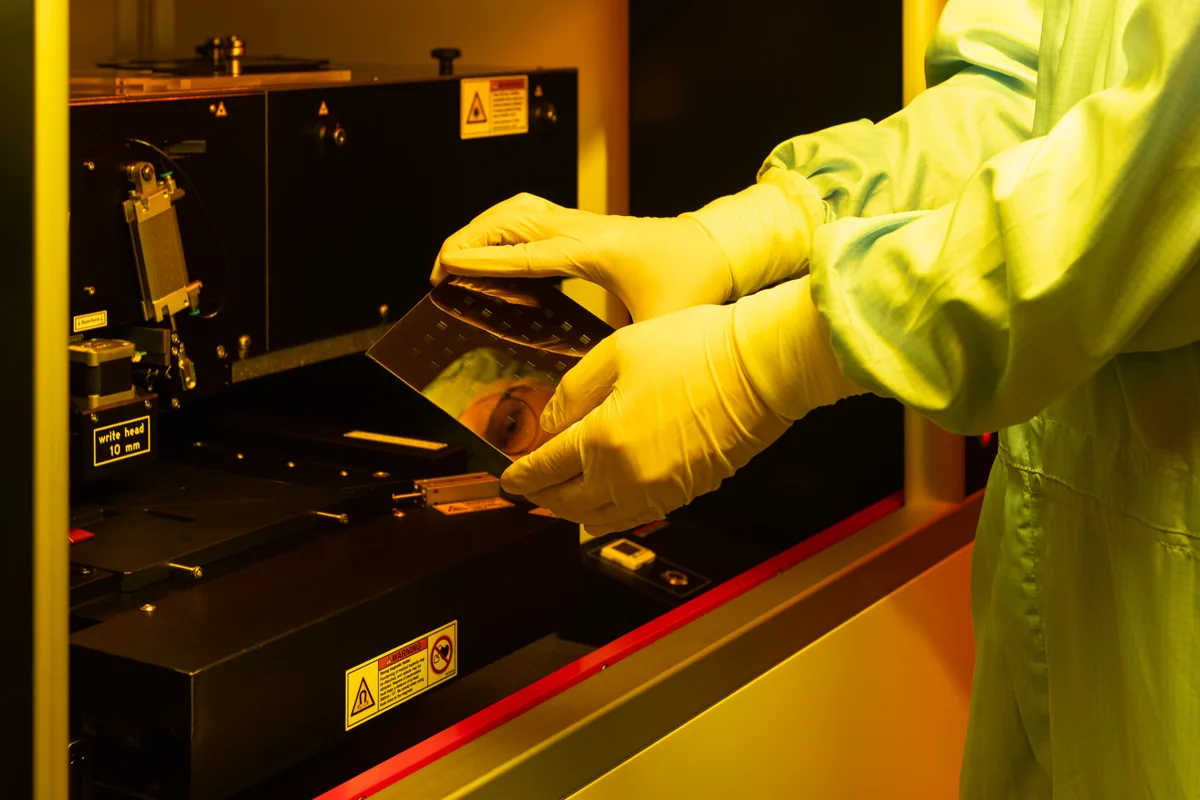
New sensor principles and sensors for new measurement systems.
INCYTE cleanroom · Photo: Jan Söhlke / ZESS, University of Siegen.
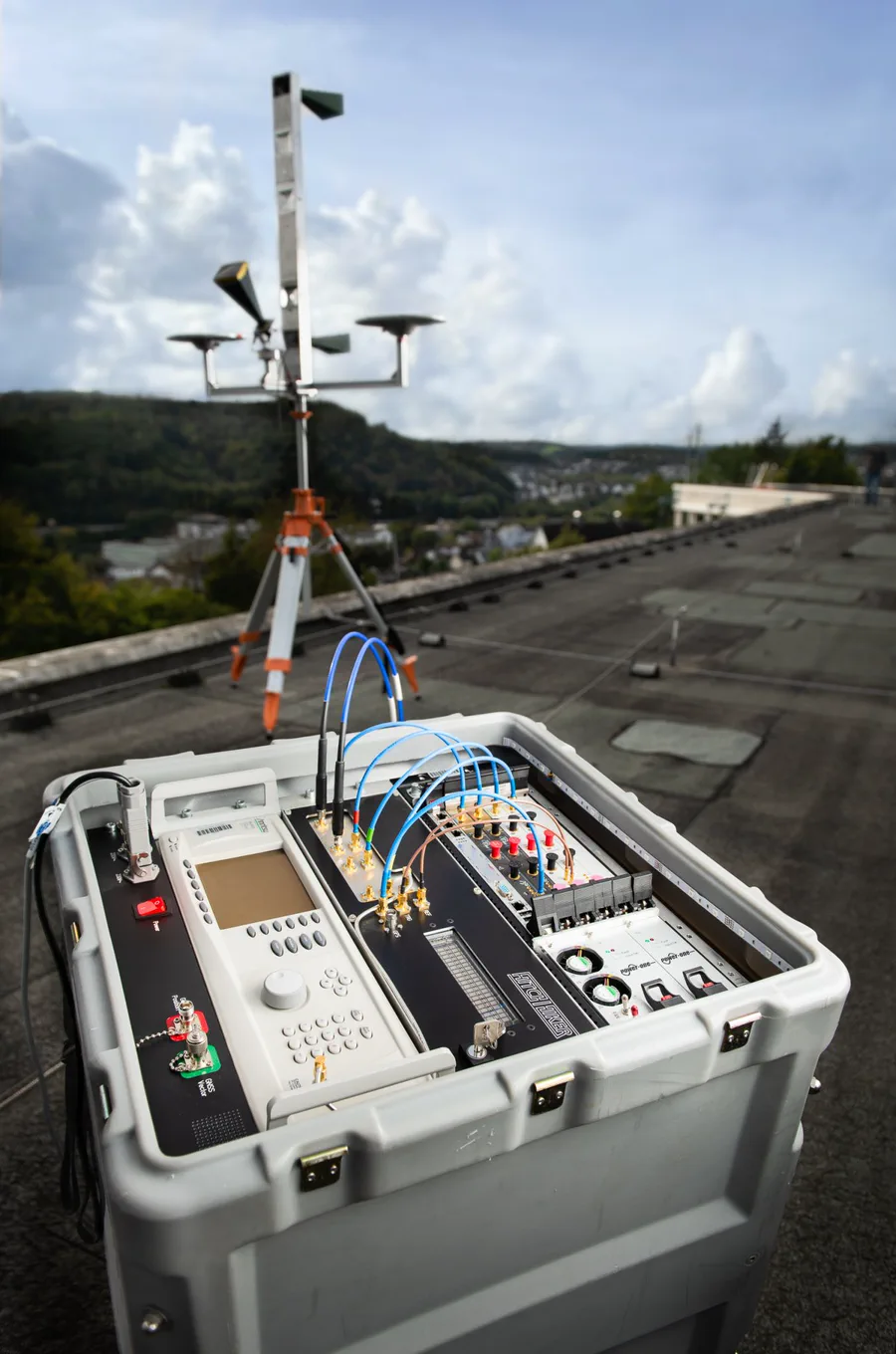
Combining signals from several sensors into reliable information.
Hitchhiker II passive radar · Photo: Jan Söhlke / ZESS, University of Siegen.
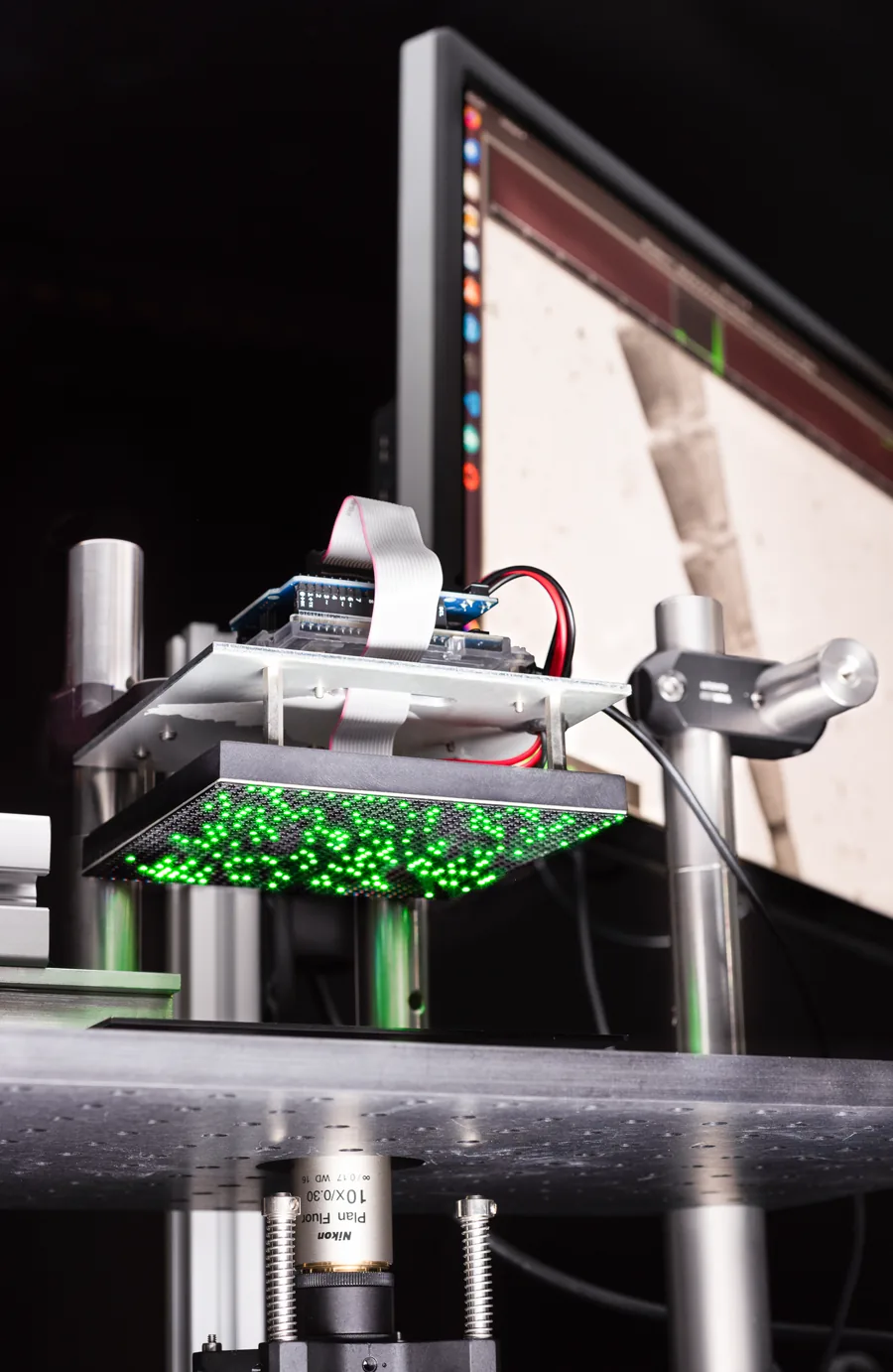
Optics, sensor design, and reconstruction methods reveal detail beyond conventional imaging.
Fourier ptychographic microscopy · Photo: Jan Söhlke / ZESS, University of Siegen.
Inside ZESS
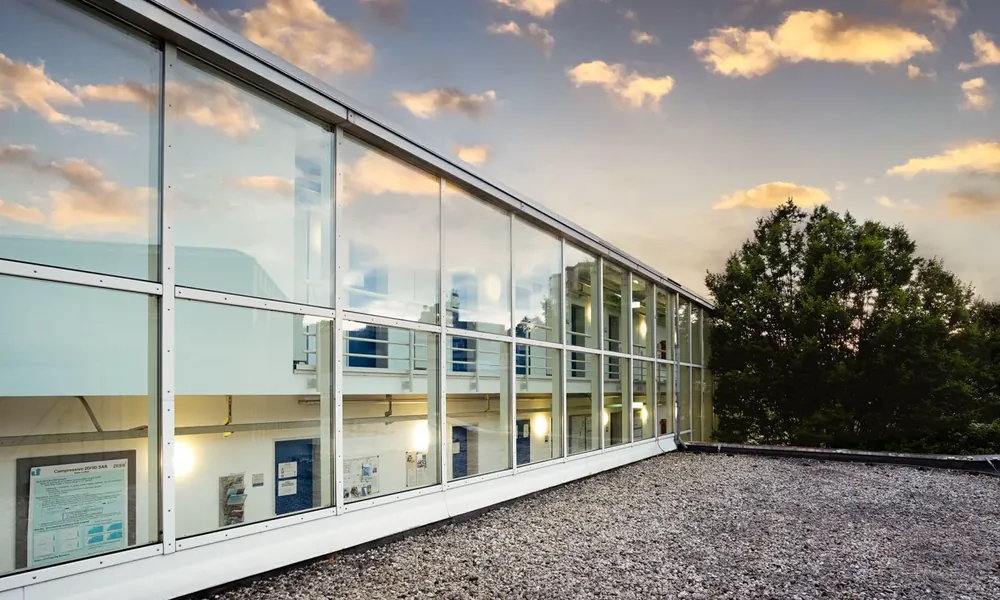
Center for Sensor Systems (ZESS)
ZESS brings together electrical engineering, computer science, mechanical engineering, mechatronics, mathematics, and biology. Its work ranges from fundamental research to industry projects and feeds into teaching.
Explore the official ZESS websiteZESS building at dusk · Photo: Jan Söhlke / ZESS, University of Siegen.
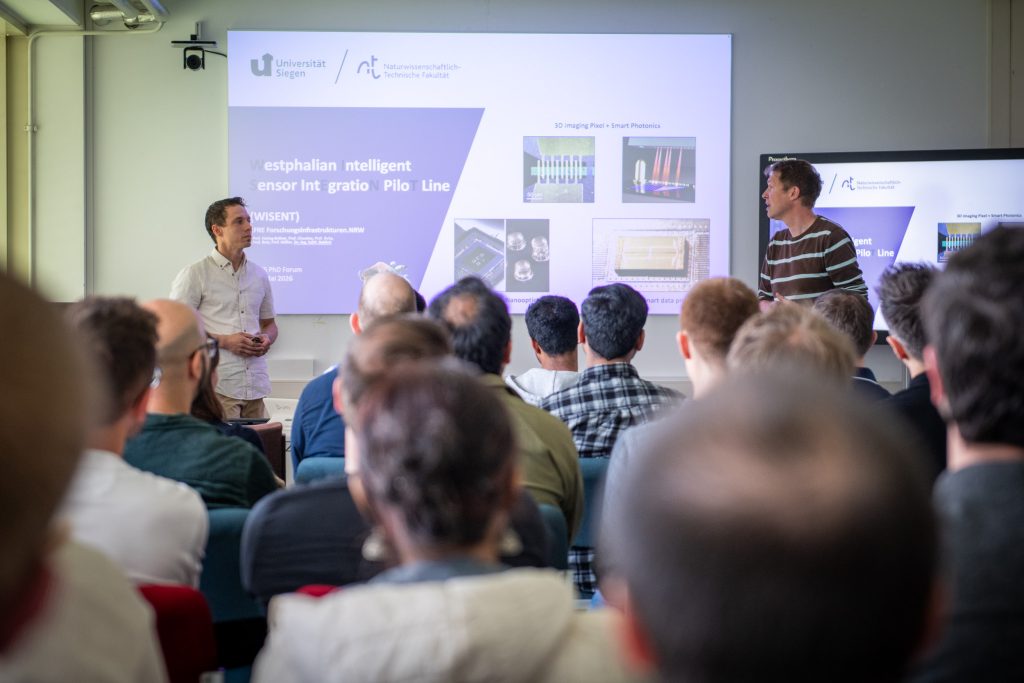
ZESS Research Forum
The Summer School is planned to connect with the annual ZESS Research Forum, where doctoral researchers present talks and posters. Participants can meet them and ask about their work.
Research presentation at the 2026 forum · Photo: Jan Söhlke / ZESS, University of Siegen.
Research recognition
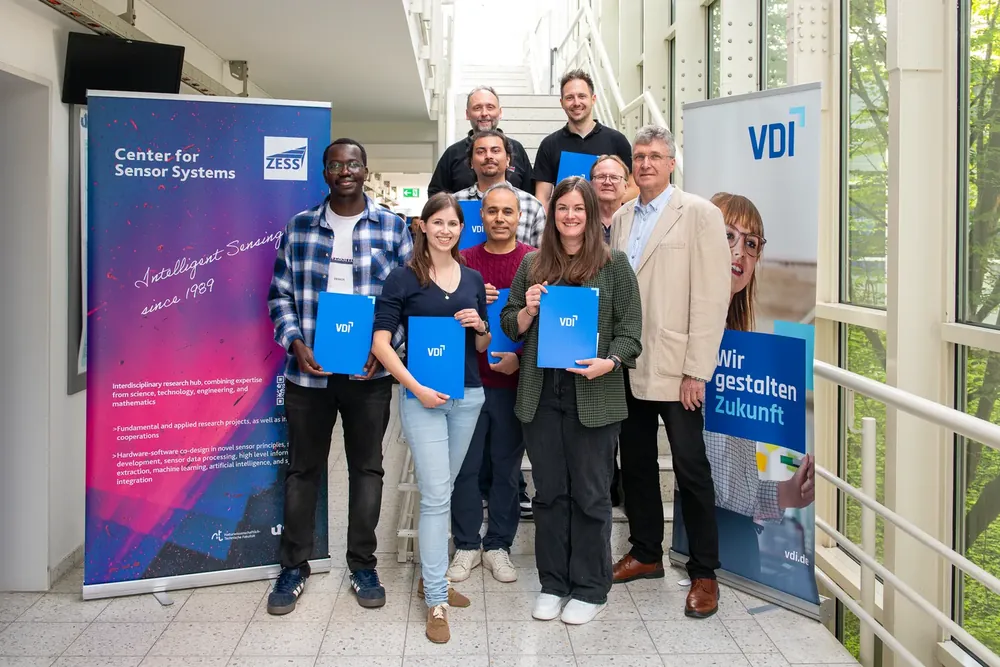
The VDI (Association of German Engineers) sponsors awards for the best poster and the best lightning talk.
2026 forum award recipients · Photo: Jan Söhlke / ZESS, University of Siegen.
Life in Siegen
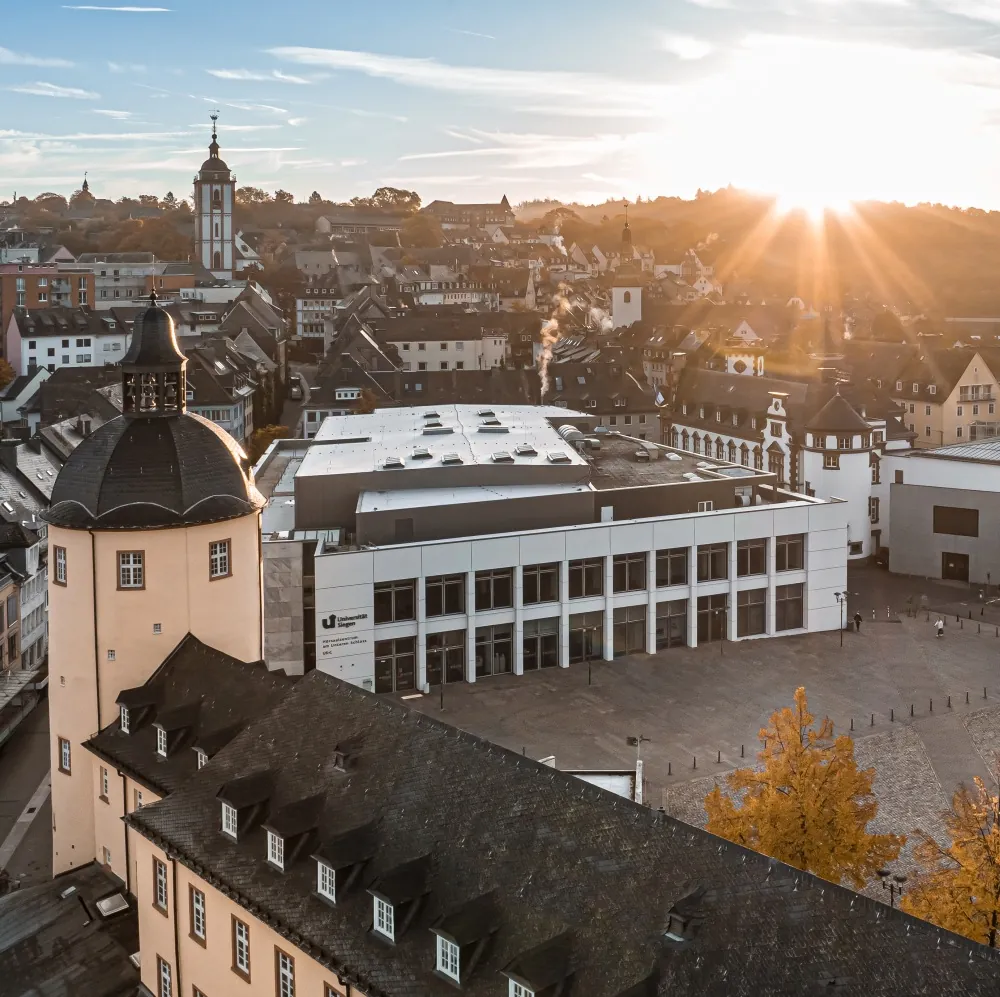
A compact city where campus, town centre, and green surroundings are close together.
Arrival and support
The University’s International Office and student services help international students before and after arrival.

Application guide
Applications run from October to 15 November 2026. Digital Prep and the Summer School have separate selections.
How to prepare
Go through the six points in the fit check.
Compare the three Master’s programmes and their admission requirements.
Check eligibility, required documents, and dates in the official call.
Prepare the documents listed below for upload.
Submit everything through the EXCELS application form by 15 November 2026.
Documents
Your education, relevant coursework, technical skills, projects, research experience, and internships.
A current transcript and proof of enrolment or completion, showing your grades and your maths and algorithms courses.
Project summaries, thesis work, publications, or internships. State your own contribution and how it relates to AI, sensor systems, or microelectronics.
Why EXCELS and a research Master’s in Siegen fit your background, interests, and career plans.
Language evidence, translations, recommendations, or certificates, exactly as the official call requires.
Application form
Submit the documents above by 15 November 2026.
Apply nowETI, ZESS, and the International Office decide Summer School places together.
2026/27 round
Including the separate Master’s application deadline for an October 2027 start.
October to 15 November 2026
Closes at 23:59 CET.
16–27 November 2026
Results by 27 November.
1–4 December 2026
January 2027
Shortlisted candidates have online interviews from 4 to 22 January. Results by 29 January; confirm your place by 12 February.
February–May 2027
Contact the German mission responsible for your place of residence as soon as you are selected, and apply by mid-May at the latest.
By 30 April 2027
For an October 2027 start, apply to the University (no fee). Applications open on 1 January for Computer Science and Mechatronics, and on 1 April for Electrical Engineering.
July 2027
1 October 2027
Dates may change; any update will appear here. Last updated .
Applicant guidance
If an answer differs from the official call, the call applies.
No. EXCELS prepares you for a Master’s through Digital Prep, the Summer School, and support during the transition. You apply for the Master’s separately and must meet its admission requirements.
Strong international Bachelor’s students in a relevant subject who are aiming for a research Master’s in Siegen and are interested in AI, sensor systems, or microelectronics. The official call defines who can apply.
Yes. EXCELS is for students in the last two years of their Bachelor’s degree.
Computer science, electrical engineering, mechatronics, and closely related STEM subjects. See the fit check.
EXCELS recruits mainly in Asia and Sub-Saharan Africa, but this is not an eligibility rule. It is not for students already studying at a German university, because its funding programme, Academic Horizons, aims to bring new international Master’s students to Germany. The official call states the exact conditions.
Computer Science, Electrical Engineering, and Mechatronics, all taught in English. Each has its own requirements, and its examination board decides admission.
Through the EXCELS application form, from October to 15 November 2026.
No. EXCELS has one shared AI and sensor-systems track, not individual projects. Describe the research direction that interests you.
A CV, a current transcript, examples of technical or research work, and a motivation statement. See the document list; the official call confirms what is required.
Your CV should show specific coursework, skills, and projects, and what you contributed to each. Your motivation statement should link these to AI and sensor systems, your preferred Master’s programme, and your goals.
Yes. A thesis, capstone, lab or course project, internship, or project of your own also counts, if you explain the problem, your decisions, your contribution, and what you learned.
The official call sets the English level and accepted evidence, such as a test certificate or proof that your Bachelor’s is taught in English, and any translations or recommendations. Master’s programmes have their own language rules, and an English-taught degree does not automatically replace a test there; see the ETI application overview.
Mainly on grades. Successful applicants are usually in the top quarter of their year. The official call sets the exact criteria.
A separate review looks at your grades, maths and algorithms background, research fit, relevant work, motivation, potential, and how actively you took part in Digital Prep. Shortlisted candidates have a short online technical interview. ETI, ZESS, and the International Office then decide together.
No. The Summer School has its own selection. Active participation in Digital Prep helps but does not guarantee a place.
Most participants are expected to come from Digital Prep. The official call says whether there is any other route.
Yes. Besides grades, the Summer School review can take into account educational barriers you have overcome, intercultural competence, and social engagement. Share personal context only as the official call describes.
Each decision is separate. Not getting a Summer School place does not affect your Master’s application, and EXCELS cannot change a Master’s admission decision.
Online modules in AI and sensor systems, an introduction to studying and exams at German universities, and sessions with lecturers and researchers. It runs from 1 to 4 December 2026; selected participants receive the schedule and workload.
No. It takes place in Siegen: 14 days, 15 participants, July 2027. Later rounds are expected in summer 2028 and 2029.
Digital Prep and the Summer School are free, and Summer School participants receive support for travel and accommodation; the official call gives the details. EXCELS never charges fees, so be wary of anyone who asks you to pay for a place.
EXCELS does not fund your Master’s. The University charges no application fee or tuition, but students pay a semester contribution and need their own funds for living costs, health insurance, and visa requirements. See the University’s financing guidance.
No. The ZESS stipend goes to at most two newly enrolled participants and is decided only after enrolment, so you will not know about it when you apply for your Master’s or visa. Plan your finances without it. Personal mentoring is for a later, selected group, not every Digital Prep participant.
You are responsible for your visa and insurance, and EXCELS selection does not guarantee a visa. The Summer School and later degree study may need different visas; check with the responsible German diplomatic mission and the University’s visa and residence guidance.
For your Master’s, you find your own housing; see the University’s accommodation guidance. Summer School participants receive travel and accommodation details separately.
Use Ask us about EXCELS below. For Master’s applications, see the ETI application guidance; for arrival and student services, contact the International Office.
EXCELS 2027
No application or participation fees.
Project and funding
EXCELS is led by the Department of Electrical Engineering and Computer Science (ETI), working with the Center for Sensor Systems (ZESS) and the International Office.
EXCELS is funded by the German Academic Exchange Service (DAAD) with funds from the Federal Ministry of Research, Technology and Space (BMFTR) through the programme Academic Horizons – Attracting Global Minds, part of the 1.000-Köpfe-Plus-Programm.